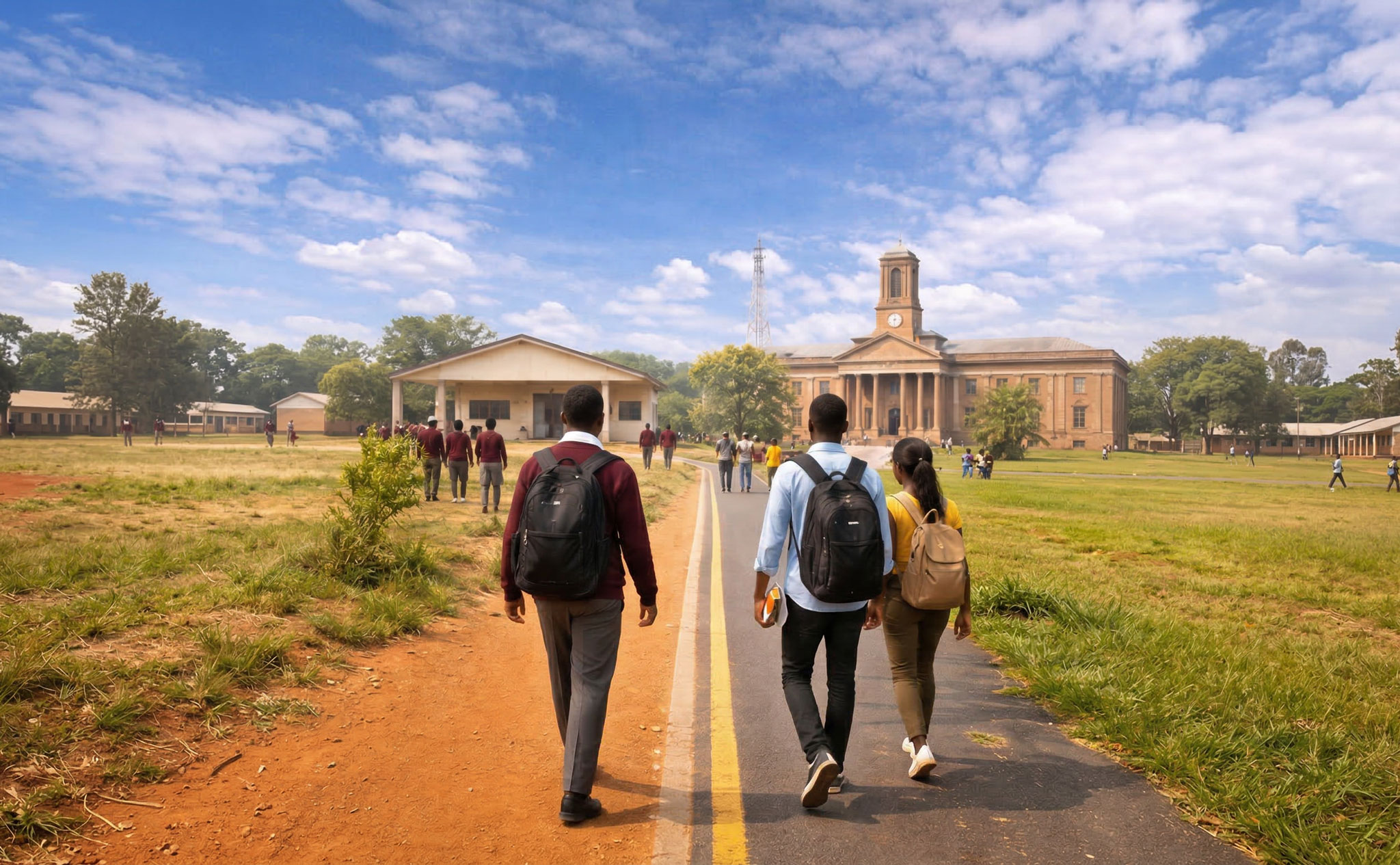
Finishing secondary school is often spoken about as an achievement, and it is. But for many students, it is also the beginning of a new kind of uncertainty.
The excitement of completing one chapter quickly gives way to difficult questions. What comes next? Which path should I choose? Can I afford to continue? What course fits my strengths? What if I qualify for the next level, but have no one to guide me through it?
For some learners, this season is full of hope. For others, it is filled with pressure.
The transition from secondary to tertiary education is one of the most important stages in a young person’s journey. It is the point where potential starts looking for direction. It is where ambition begins to meet reality. It is where dreams either find structure, or risk losing momentum.
That is why this stage cannot be left to chance.
At Elimisha Watoto Foundation, we understand that getting a student through secondary school is not the end goal. The bigger vision is to help them move forward with clarity, confidence, and the right support around them. Because a learner may complete school with promise, but still become stuck if they lack information, financial direction, career guidance, or emotional support during the next step.
And that happens more often than people think.
Many capable young people do not fail because they lack intelligence. They struggle because the bridge between one level and the next is not always clear. The world opens up, but it also becomes more complex. Suddenly there are applications, deadlines, fees, choices, expectations, and fears all arriving at once.
Without guidance, that can become overwhelming.
This is where transition support becomes essential. It helps students understand their options. It gives them space to think through what fits their strengths and goals. It reassures them that they do not have to navigate major life decisions in confusion or isolation. It turns uncertainty into a process.
And when students are supported at this stage, they move differently.
They begin to see tertiary education not as something distant and intimidating, but as something possible and reachable. They begin to understand that their future is not built only on results, but also on informed choices, mentorship, and opportunity. The next step stops feeling like a cliff edge and starts feeling like a bridge.
At Elimisha Watoto Foundation, we believe that helping students transition well is one of the most practical ways to protect long-term impact. Because education is not only about getting a child through one stage. It is about helping them keep moving toward the future with purpose.
The journey from secondary to tertiary is not just about progression. It is about direction. It is about preparation. It is about helping young people take the next step without losing sight of who they are and what they can become.
And when that journey is supported well, it does more than open doors. It changes lives.